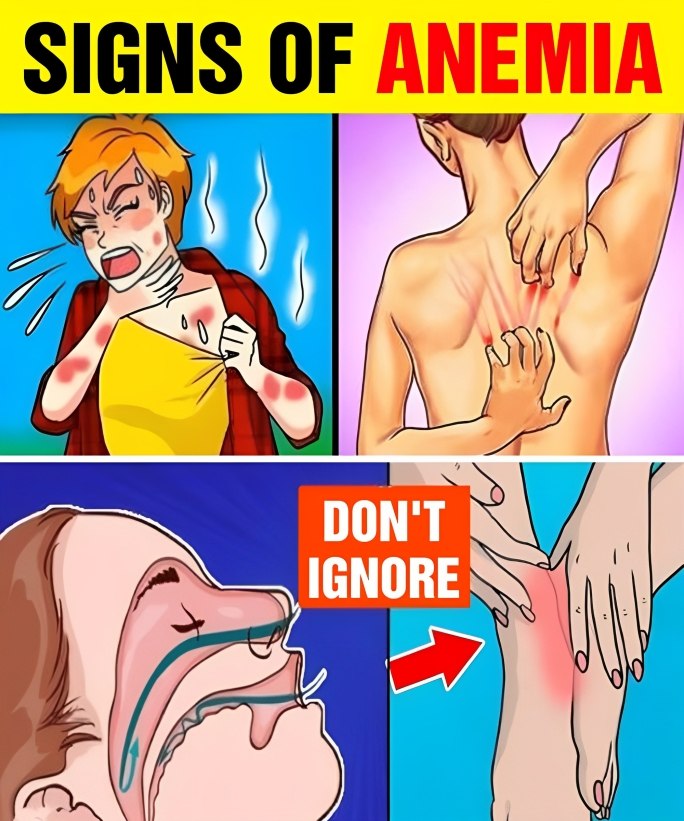
Anemia is a condition in which your body doesn’t have enough healthy red blood cells to carry adequate oxygen to your tissues. While some symptoms of anemia are obvious, others can be quite subtle, often mistaken for stress, poor sleep, or a busy lifestyle. If left untreated, anemia can lead to serious health complications. Here are 12 silent symptoms of anemia you should never ignore:
Constant Fatigue
One of the earliest and most common symptoms of anemia is persistent fatigue. You may feel tired even after a full night’s rest or exhausted after doing tasks that never used to wear you out. This happens because your body isn’t getting enough oxygen due to a lack of red blood cells.
Pale or Yellowish Skin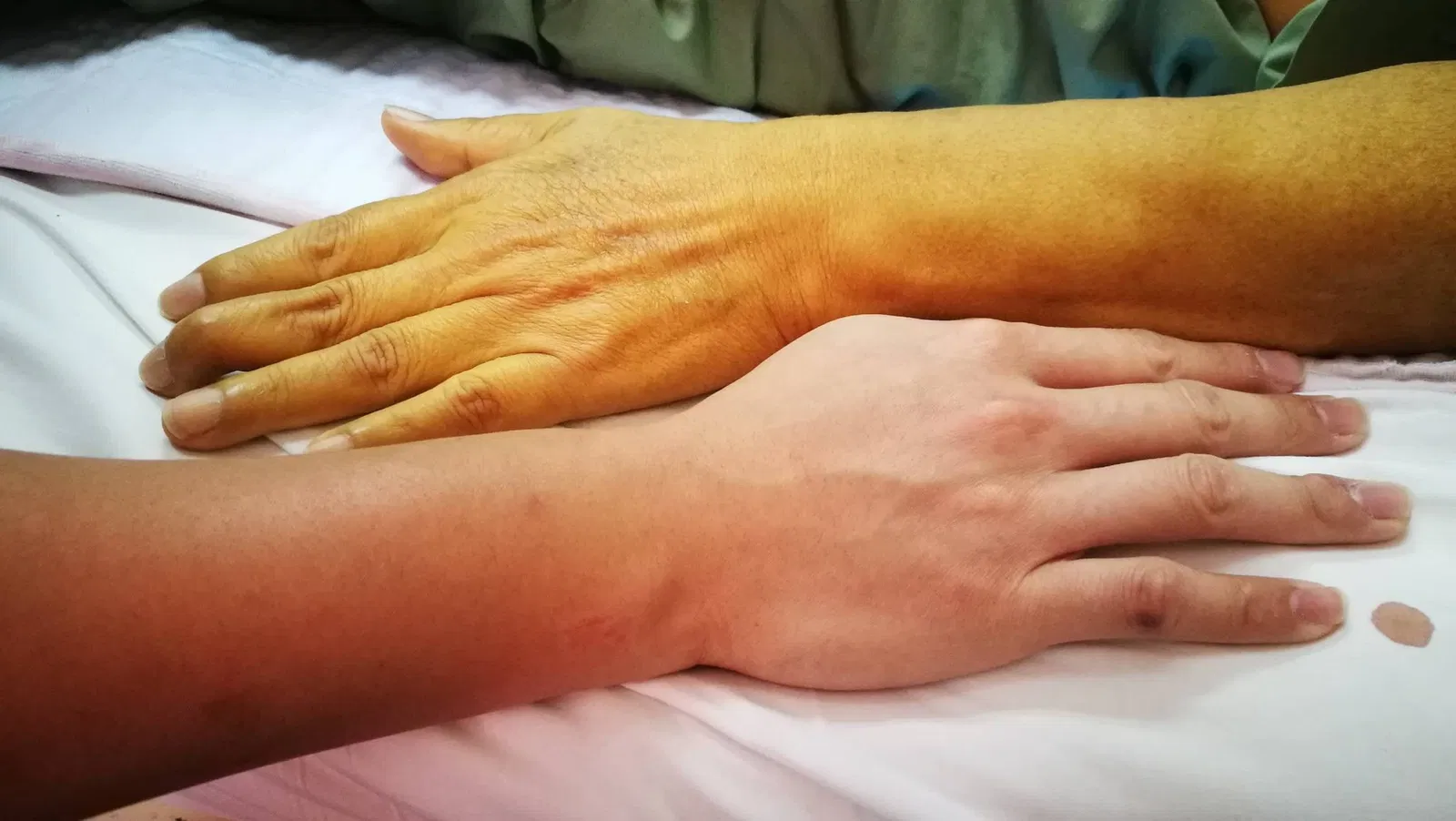
Your skin may lose its healthy color and appear unusually pale or slightly yellow. This is especially noticeable in the face, inner eyelids, and fingernails. Pale skin indicates a lower red blood cell count, a hallmark of anemia.
If you feel winded after climbing a short flight of stairs or walking a moderate distance, it may be due to anemia. The body tries to compensate for the lack of oxygen by increasing your breathing rate, causing breathlessness even with mild exertion.
Frequent dizziness, especially when standing up quickly, can be a sign of anemia. When your brain doesn’t receive enough oxygen, it can result in feelings of lightheadedness or even fainting in severe cases.
Cold Hands and Feet
Poor circulation caused by anemia can lead to cold extremities. The body prioritizes sending oxygen-rich blood to vital organs, which reduces blood flow to your hands and feet.
Frequent Headaches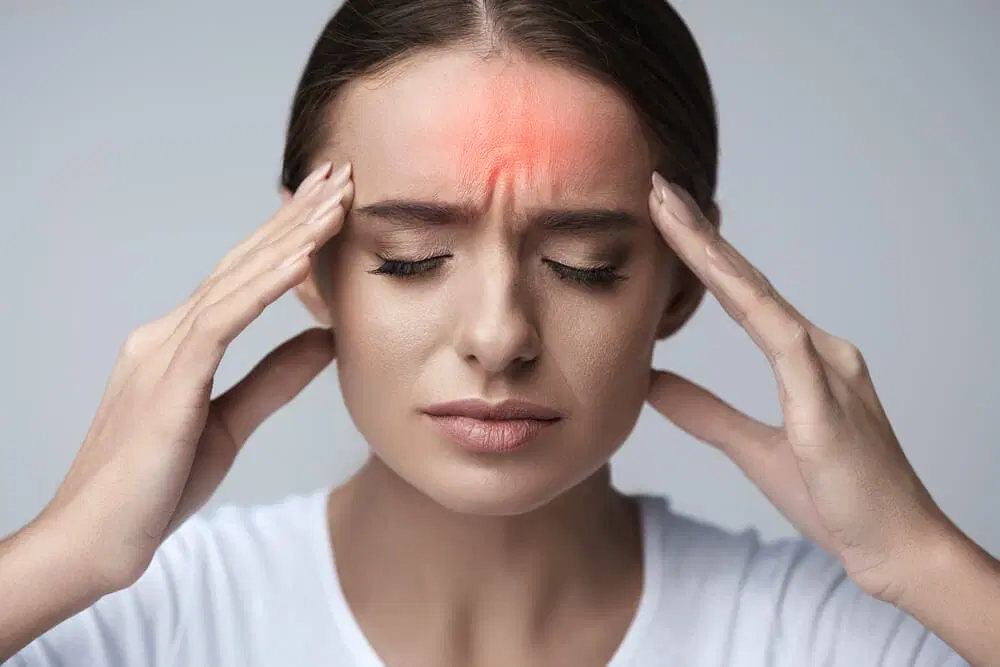
Recurring headaches or migraines might be linked to a reduced oxygen supply to the brain. The brain’s blood vessels may dilate in response, leading to discomfort and pressure.
Heart Palpitations
Your heart may beat faster or irregularly in an attempt to deliver more oxygen throughout your body. These palpitations can be alarming and are a warning sign that your heart is working overtime.
Chest Pain
In more serious cases, anemia can cause chest pain, particularly in people with preexisting heart conditions. The heart may not receive enough oxygen, which could trigger angina (chest pain) or other cardiovascular issues.
Brittle Nails or Hair Loss
Your nails may become weak, brittle, or spoon-shaped, and you may notice excessive hair shedding. These are signs that your body is diverting nutrients away from non-essential functions like hair and nail growth.
Strange Cravings (Pica)
Craving non-food items such as ice, clay, dirt, or starch is known as pica, and it is particularly associated with iron deficiency anemia. If you experience these cravings, it’s important to speak with a healthcare provider.